


From food-waste to sustainable construction materials
MANUFACTURA, a Mexican-based research and production factory, developed CORNCRETL: a bio-based construction material that combines corn byproducts, recycled nejayote, and lime-based aggregates to reduce carbon emissions and introduce circular economy principles into the building industry.
A circular material strategy for Mexico's construction industry
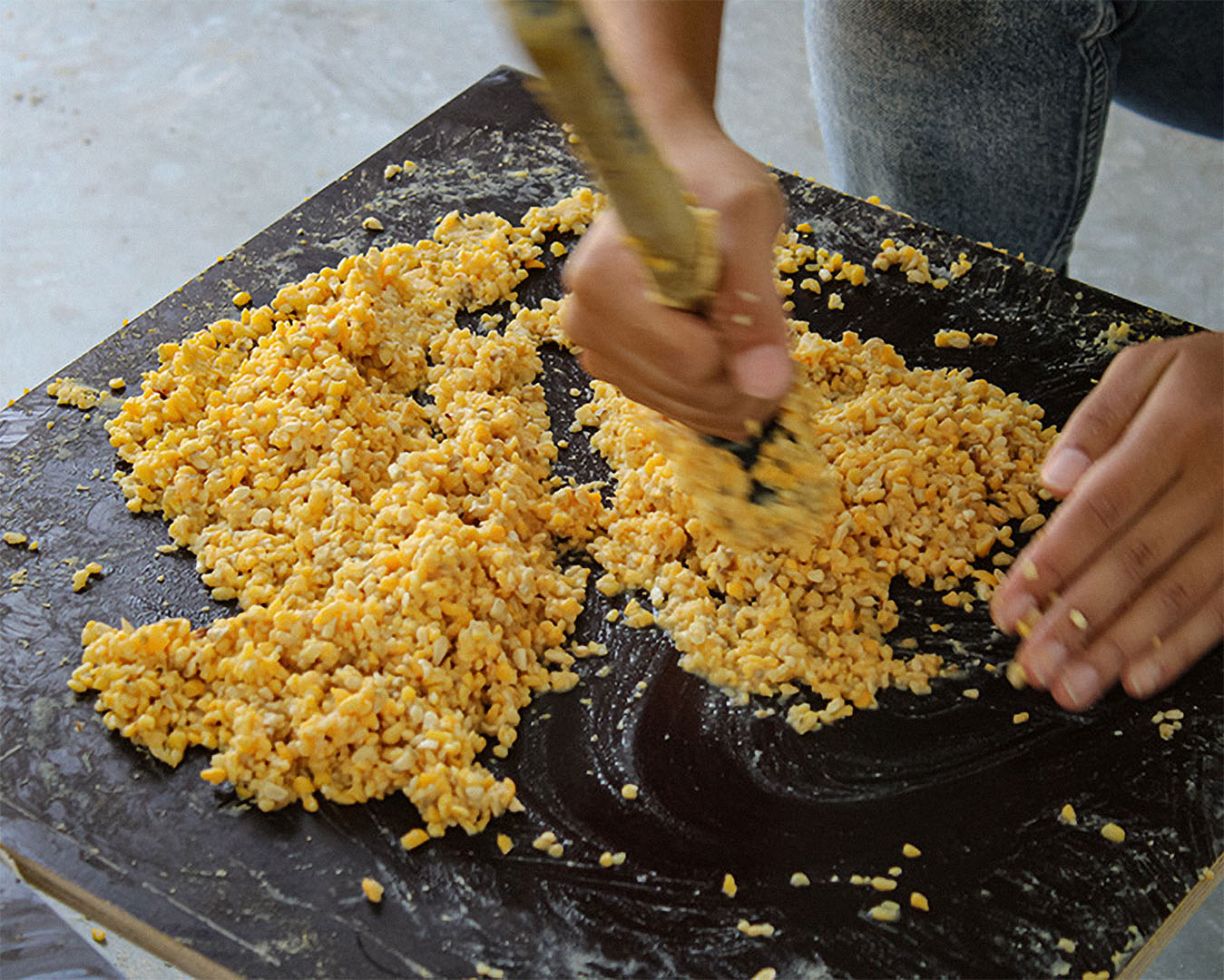
Mexico, one of the world’s leading corn producers, generates a significant amount of agricultural and food waste each year, with approximately 38% of corn production lost annually. Tortillas alone account for nearly 30% of this waste. CORNCRETL explores the potential of transforming abundant corn byproducts and waste materials, including nejayote, into circular resources for the construction industry, promoting a more sustainable approach to material production in Mexico.
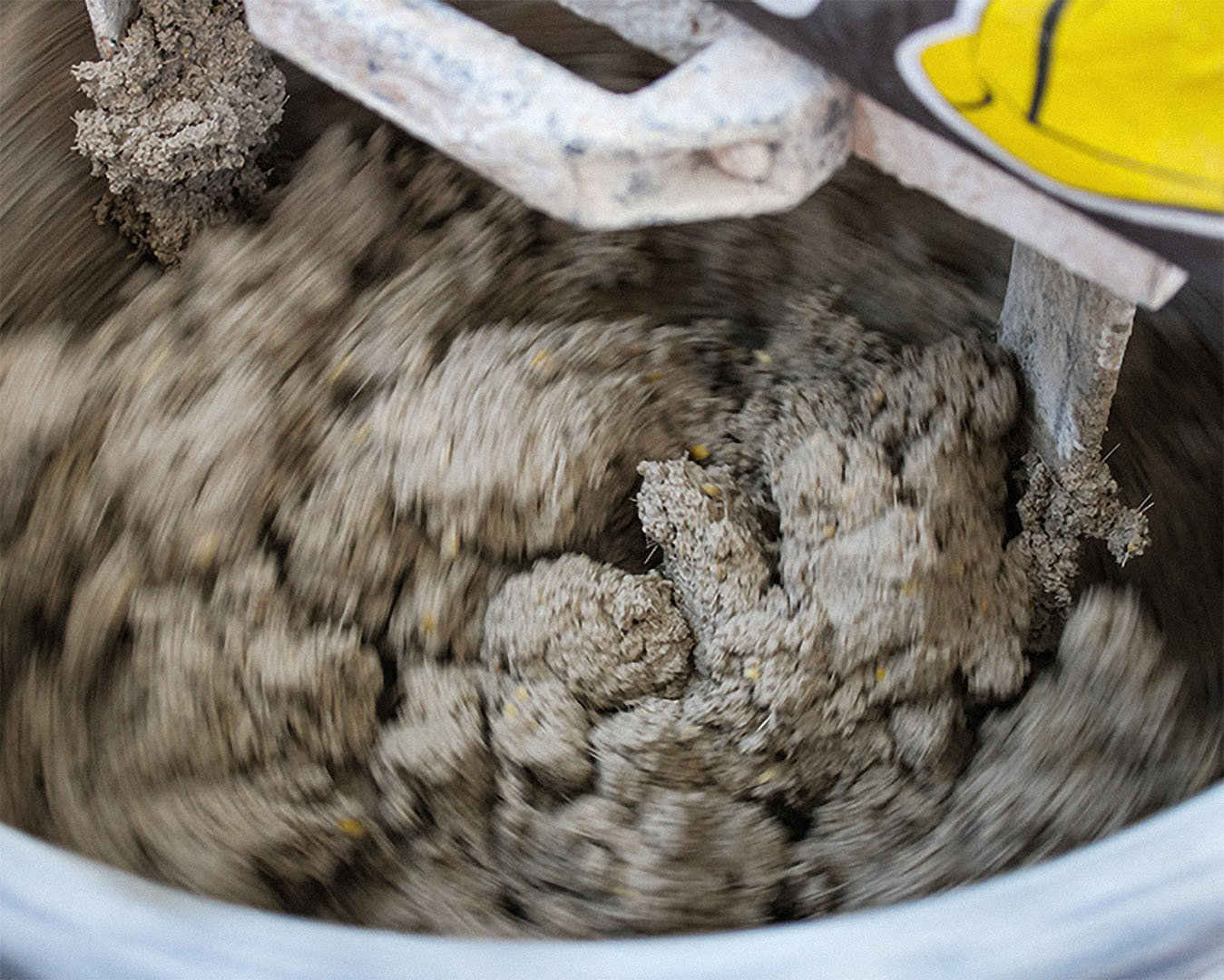
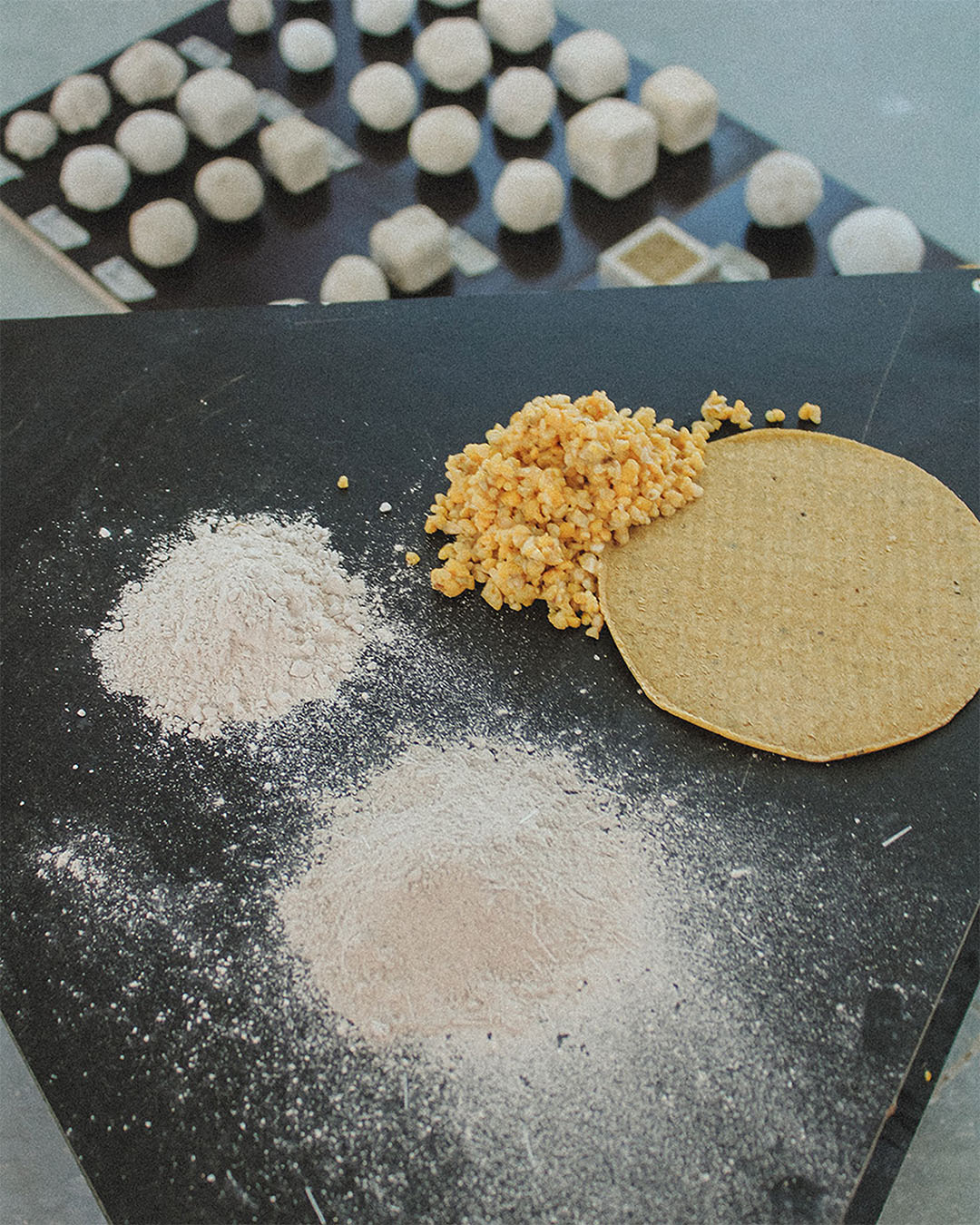
CORNCRETL combines these corn-derived residues with a mineral-based aggregate composed of natural hydraulic lime (NHL 3.5), geobinders, river silica sand, dolomitic limestone, and Carrara marble powder. The resulting material creates a dialogue between Mexican agricultural waste and Italian mineral resources, reflecting a cross-cultural approach to sustainable material research and development.

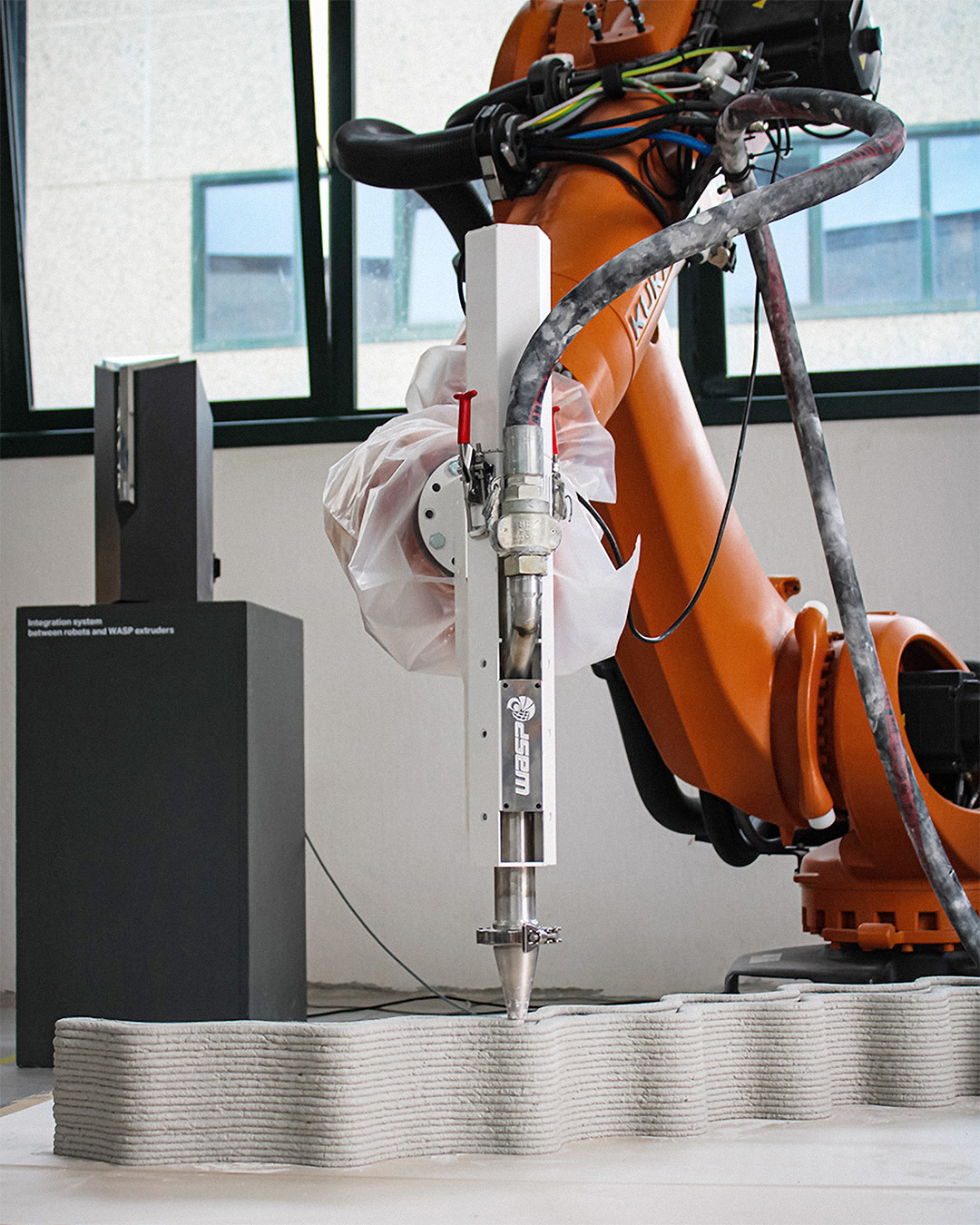
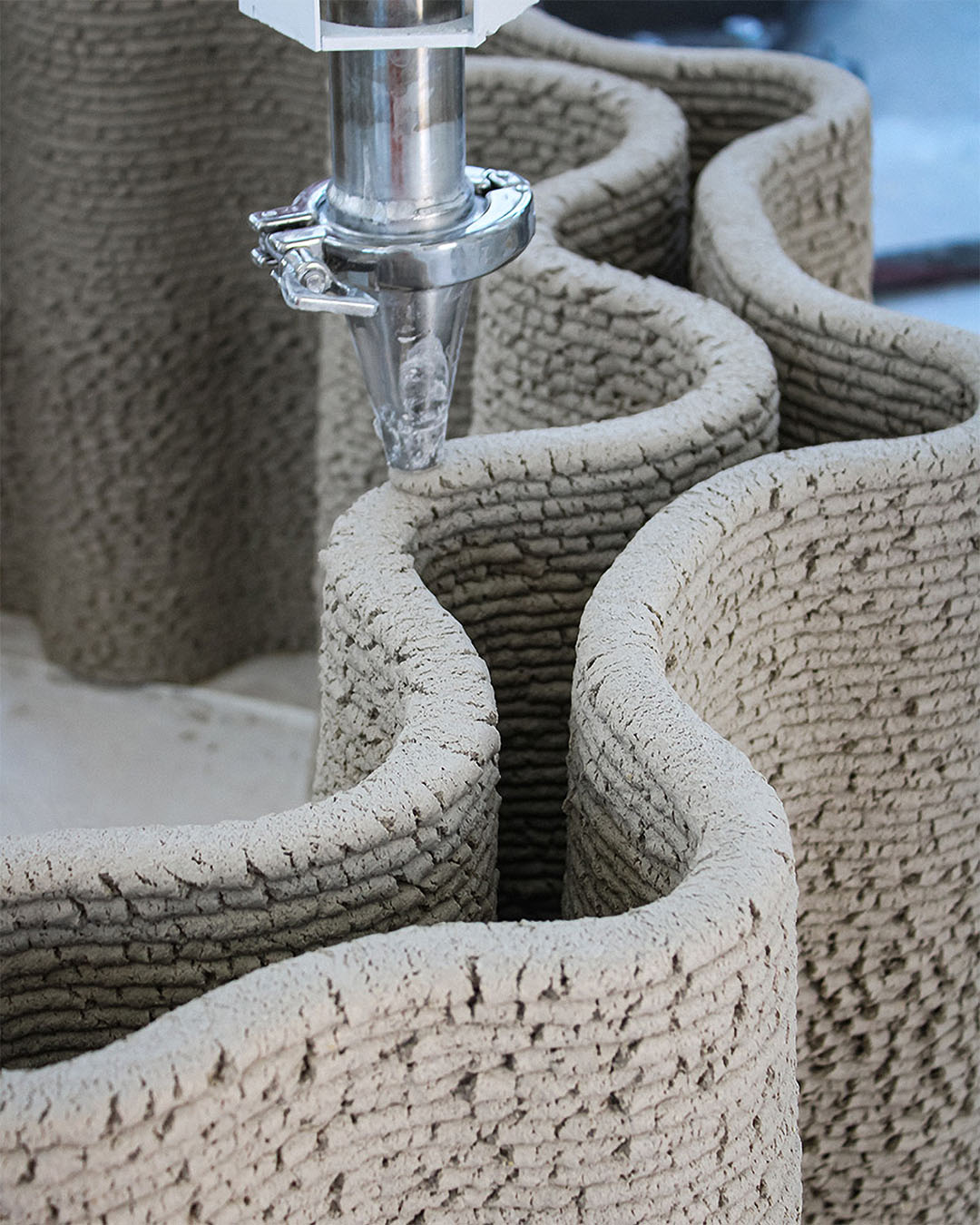
3D printing for research with robotic arms
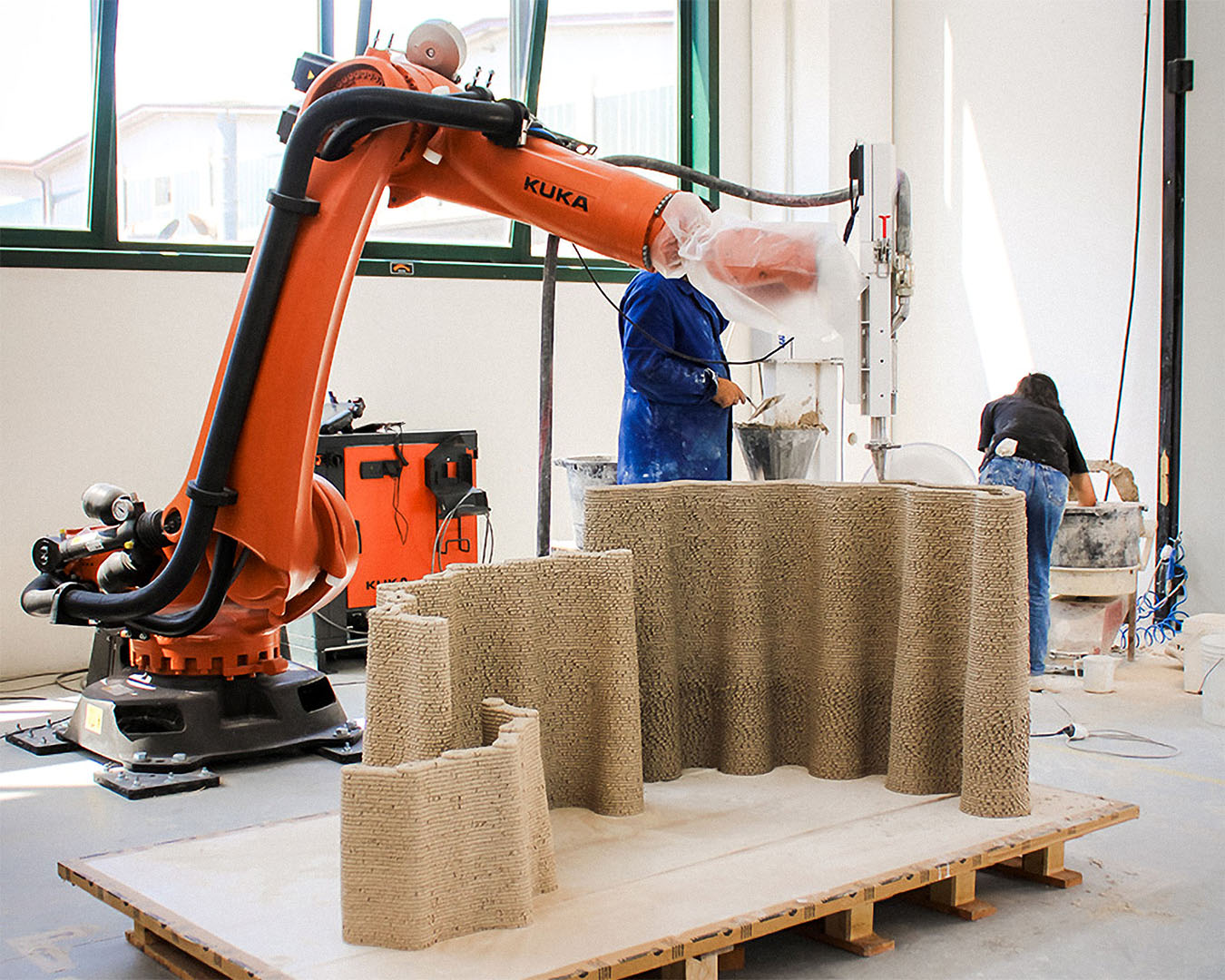
The project was developed in collaboration with WASP as technical enabler during a residency program in which the team from MANUFACTURA was hosted at WASP’s facility in Italy to test the application using multiple technologies, including the WASP LDM XXL 3.0 Extruder and the Concrete CFS HD mounted on a KUKA robotic arm integrated with CEREBRO, WASP’s control system for robotic arms.
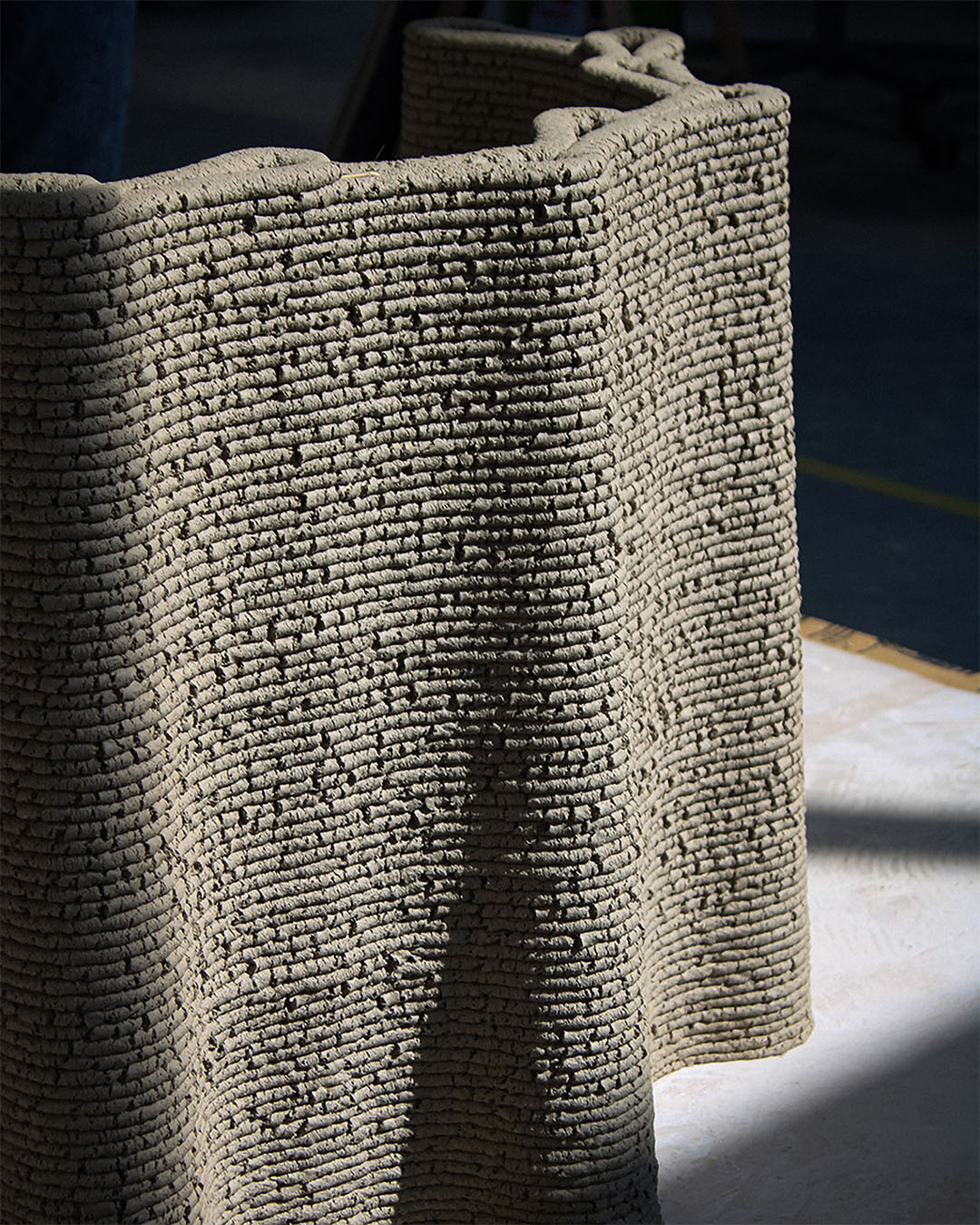
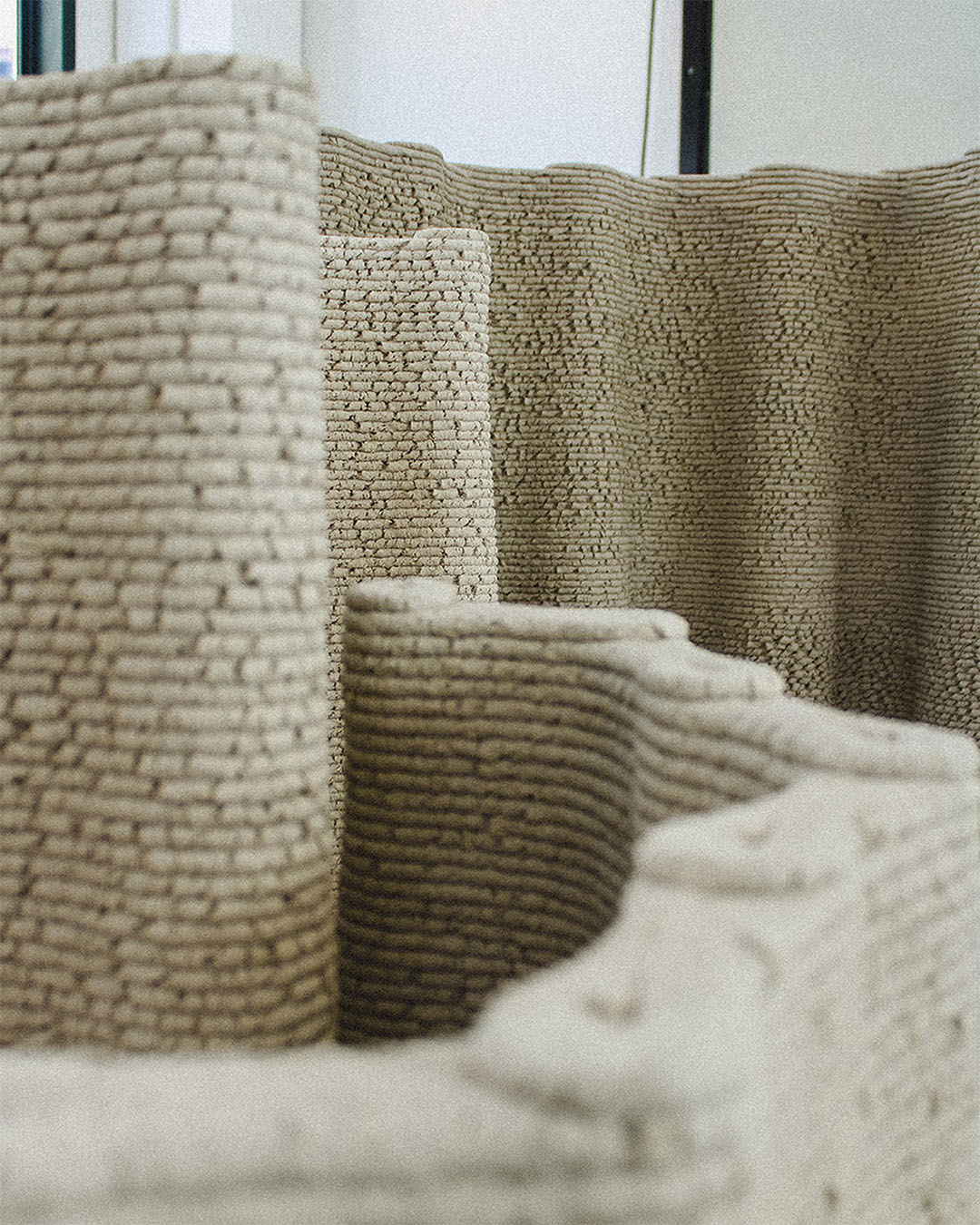
During the WASP Residency in Massa Lombarda, research focused on refining the material mix and testing its scalability for architectural applications. Modular wall panels were developed as lightweight, low-cost housing components, while structural assessments evaluated material performance and efficiency. Inspired by terrazzo motifs from Rimini, the printed geometries demonstrated the material’s adaptability to complex patterns and curved forms.
Why choose lime instead of concrete for 3D printing?
Lime-based construction has historical precedent in Mesoamerica. Known as Sak-Kaab (‘White Earth’) in Mayan culture, lime mixtures such as sascab were valued for breathability, durability, and environmental compatibility.
Unlike Portland cement, lime-based systems harden at room temperature and require lower calcination temperatures, reducing energy consumption and greenhouse gas emissions. Lime materials also provide humidity regulation and self-healing characteristics for minor surface cracks.






Credits: photo © Dinorah Schulte, WASP
Project info:
name: CORNCRETL
designer: MANUFACTURA
lead designer: Dinorah Schulte
project director: Edurne Morales
senior computational designer, 3D printing development: Andrea Menardo / Zeitgeistructures
structural engineer: Jorge Armando / TAKO KWEEN + TLAXCALLI
material donator: WASP
Location: Massa Lombarda, Ravenna, Italy
Year of Completion: 2025
Technology Used: WASP LDM XXL 3.0 Extruder, Concrete CFS HD, CEREBRO, KUKA Robotic arm